
Case Studies
Case Study – Cultivate
Key Facts
| Based in | Newtown, Powys |
| Established in | 2011 |
| Business type | Community Food Enterprise |
| Company type | Community Benefit Society |
| No. of employees | 13 paid staff, 35 volunteers |
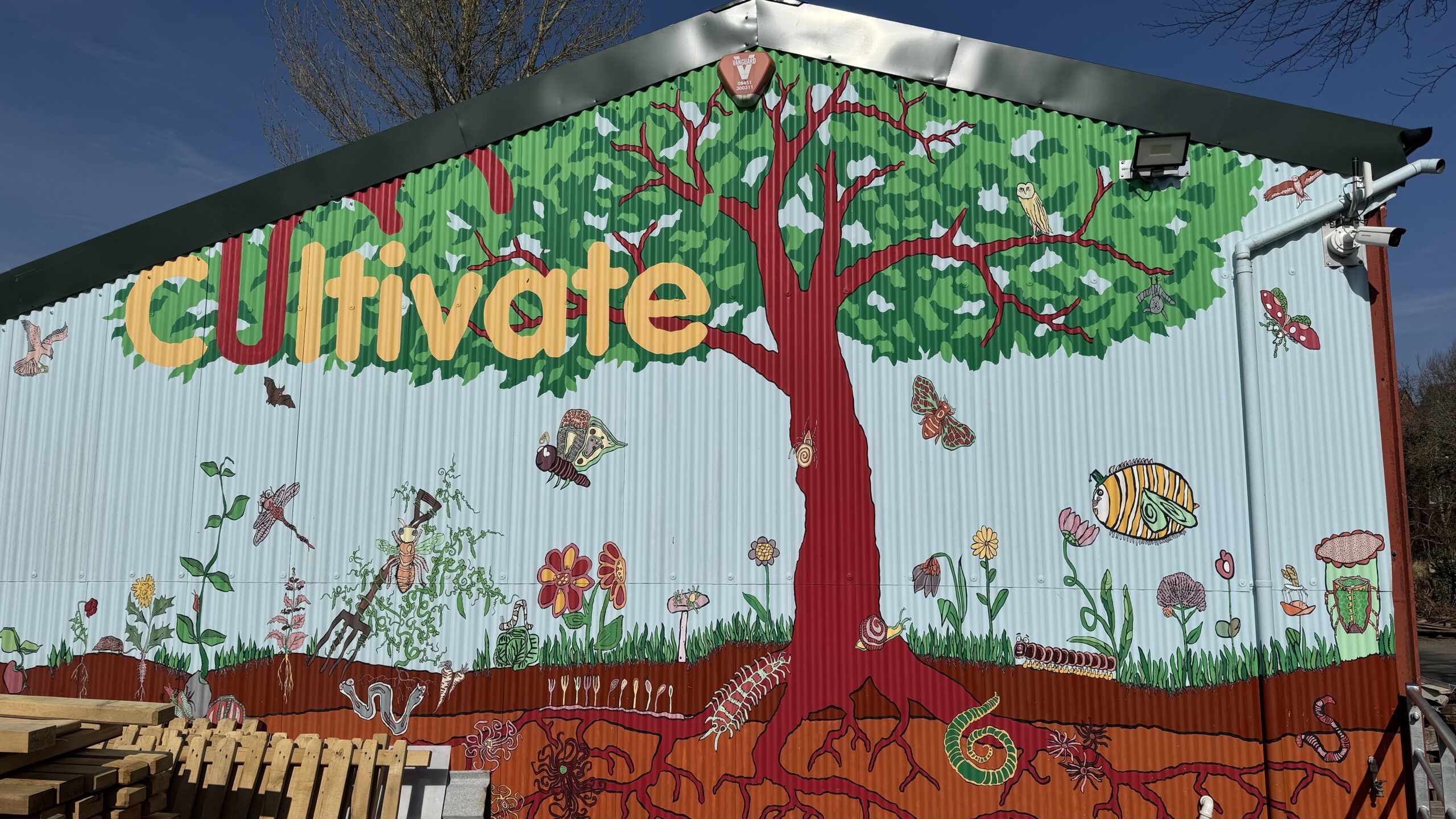
Cultivate is a food hub in North Powys, Wales, that has existed as a food network for the local community for eleven years in various iterations, including a wholesale co-operative buying goods, a veg and fruit box supplier, and a deli.
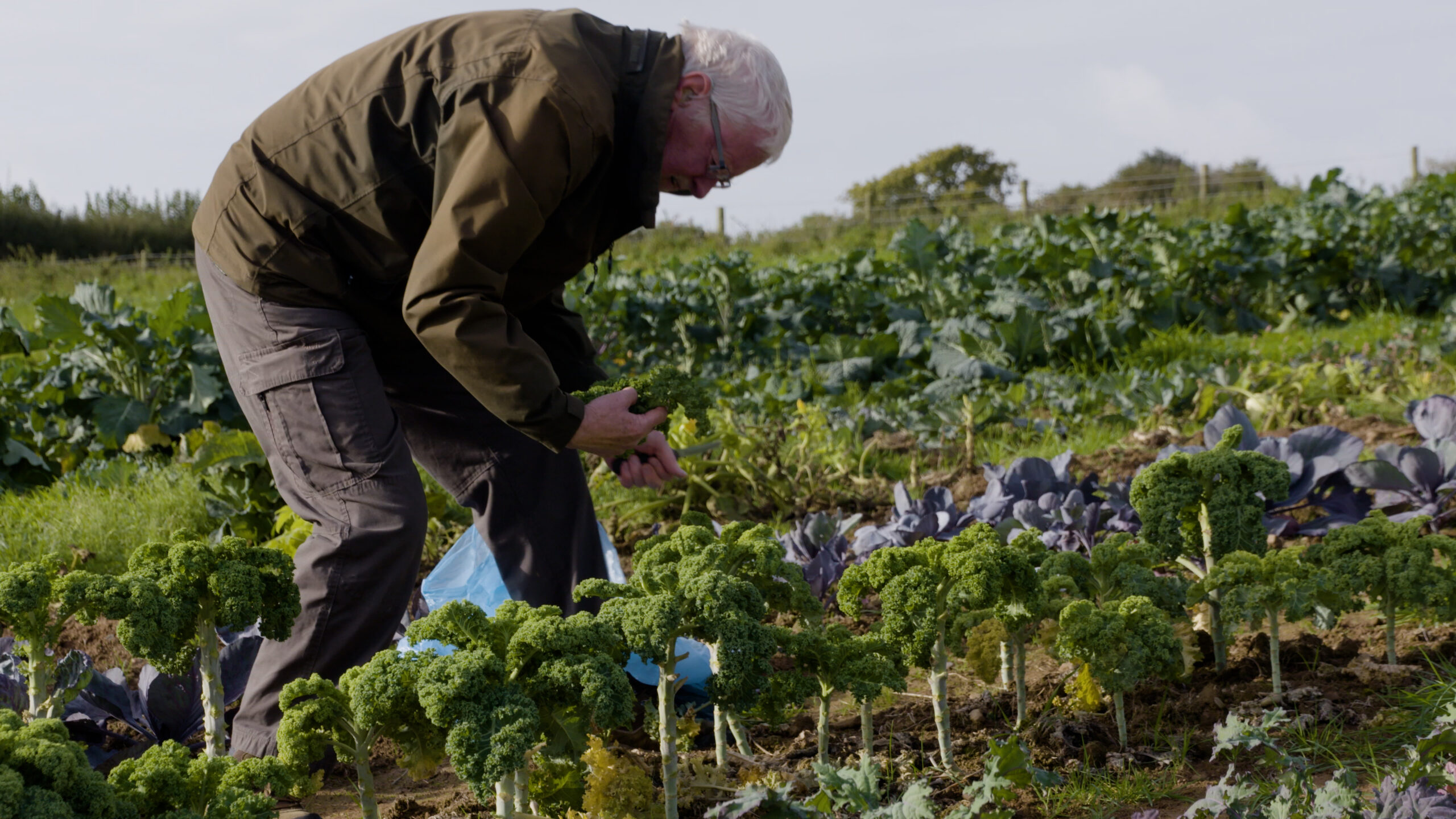
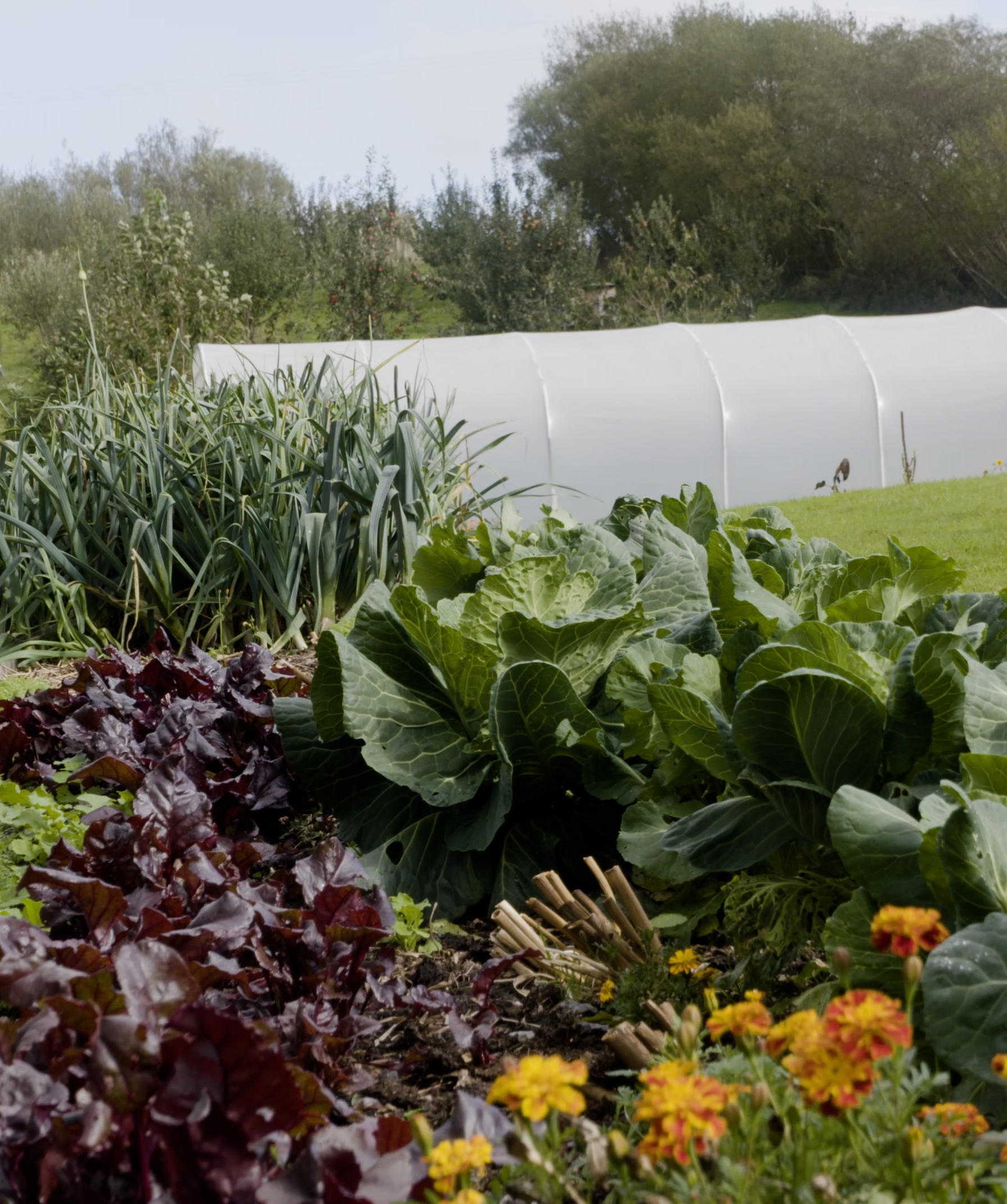
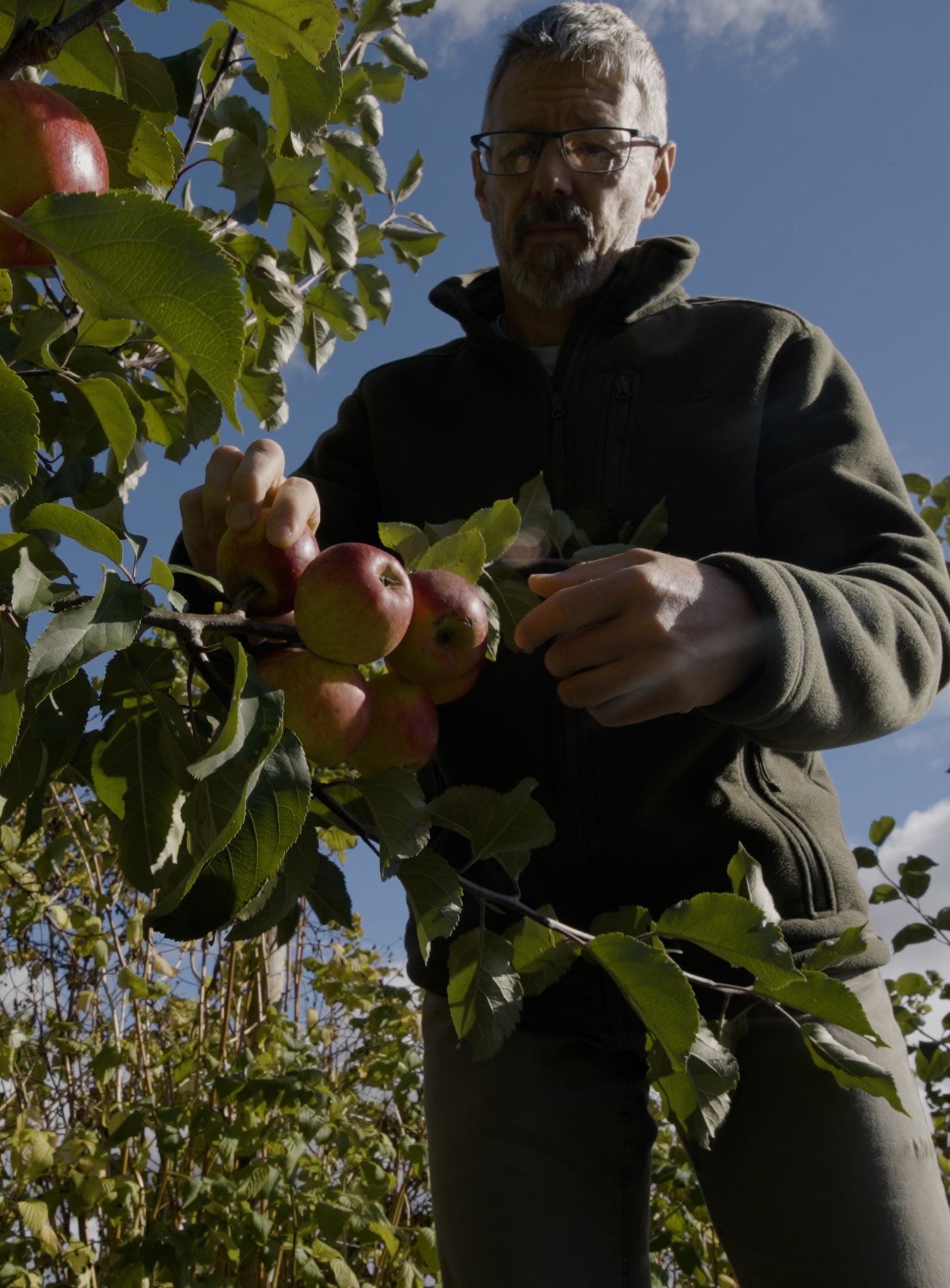
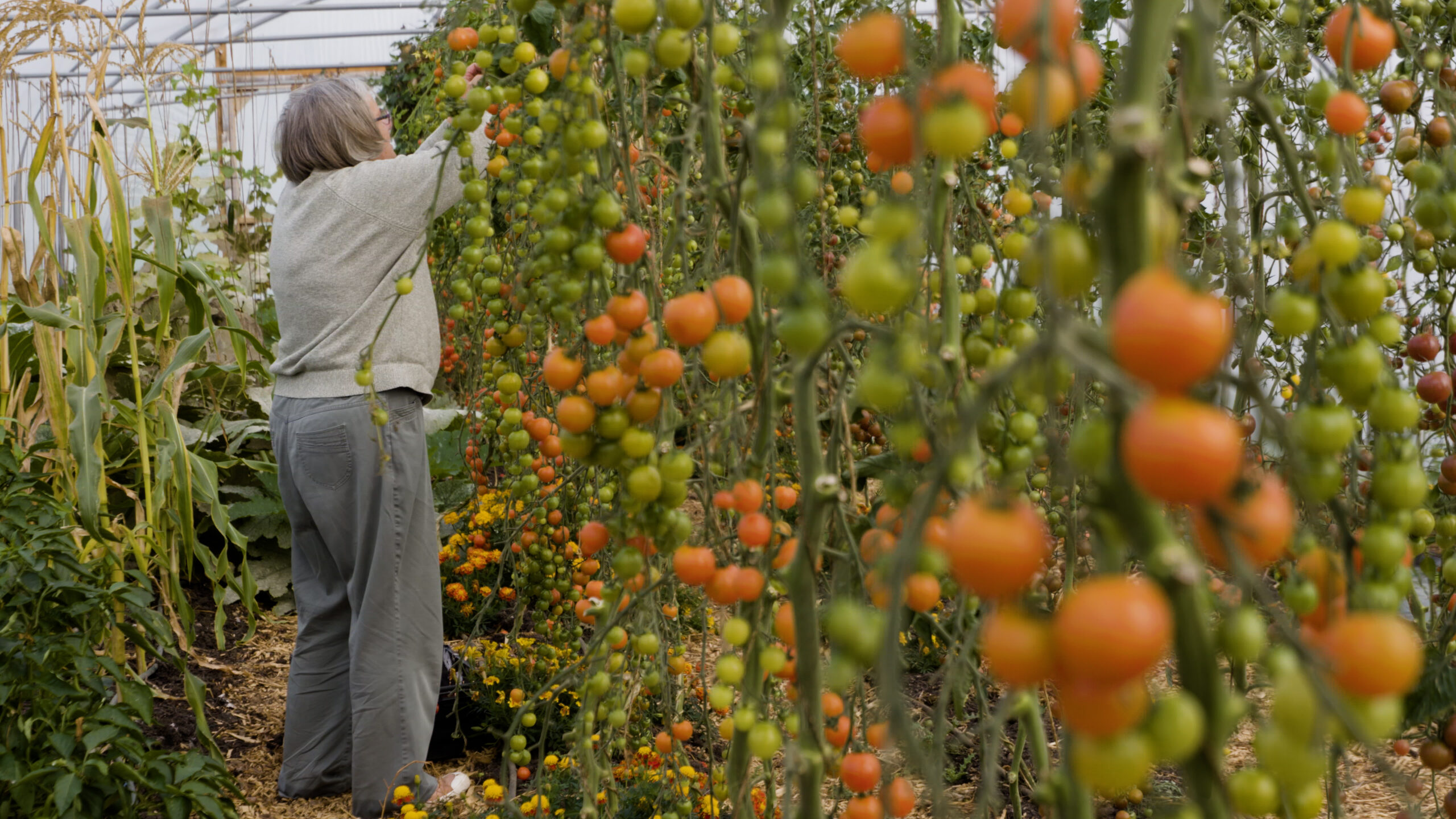
The food hub is very much part of the community and holds regular food related events and workshops, as well as having growing space on site with micro-allotments and community growing plots. Cultivate helps to educate locals on food growing in their polytunnels, as well as hosting processing equipment on site to turn produce like apples into cider and apple juice and vegetable gluts into preserves. Read on for our case study of their work.
History & Values
How did Cultivate start?
The project started when Cwm Harry, a charity aimed at building community owned businesses in Powys, undertook a Lottery-funded project in 2011 called Get Growing, which was all about encouraging people to grow and eat their own food. Very soon a veg box scheme was set up as a good way of selling produce and getting more growers to grow.
From the very beginning the organisers wanted to use the three years of funding from the Lottery to create a social enterprise with a sustainability model, and thus Cultivate was created as a new standalone organisation.
What’s been the story of Cultivate so far?
Having started with just offering veg box collections at their site in Pen Dinas in Newtown, Cultivate wanted to expand their sales and started doing deliveries to the Severn Valley and linking with other veg box schemes and growers to bring additional produce in. They then tried a market stall and a permanent market hall shop, however at the time the cost of fuel was so great that they decided to stop offering veg box deliveries and went back to just offering collection.
A decision was then made to move into a cafe and deli in the town centre so they could do catering and evening events. The cafe opened the week the Covid pandemic took off in 2020, which sadly meant the team never discovered what the cafe could become without restrictions in place. It was collectively decided to close the cafe because of the struggles through Covid, plus the subsequent cost of living crisis and rising energy costs. They still had their site at Pen Dinas but activities had stopped because of a serious water leak that took over 18 months to resolve. Without the water they had no kitchen, no toilet, no washing facilities, and no indoor space.
With a lot of hard work the team have built the enterprise back up and now have 13 staff members and a fully operational site.
What are your key success factors?
“Adaptability. We’ve tried a lot and we really understand Powys as well. We try to be strategic with the local food delivery which has allowed us to be involved in things like hosting Bwyd Powys Food“
Richard Edwards, Executive Director of Cultivate
Did you make any mistakes?
“In the early days we didn’t think strategically and we wasted some time going over the same ground, but I don’t think that’s unique to us. Sometimes we should have done something and moved on from it rather than repeating it.”
Richard Edwards, Executive Director of Cultivate
What’s your food system vision?
Richard explained that overall the vision is to be as economically viable as possible. He acknowledged that for food hubs – as with conventional farming – it’s difficult to build a financially stable business model that doesn’t incorporate subsidies. Cultivate is no different, and therefore their goal is to become as economically sustainable as possible whilst also recognising that they will need some other funding to reach complete financial viability.
Hub Operations
What equipment do you use?
Most of Cultivate’s equipment has been purchased with grants, aside from the odd bit of kit that they’ve had donated.
- A cooker
- Dishwasher
- 3 fridges, 3 freezers
- Weighing scales
- Bag sealers
- Temperature probes
- Blast chiller
- Insulated boxes
- Induction hobs
How do you handle packaging and waste?
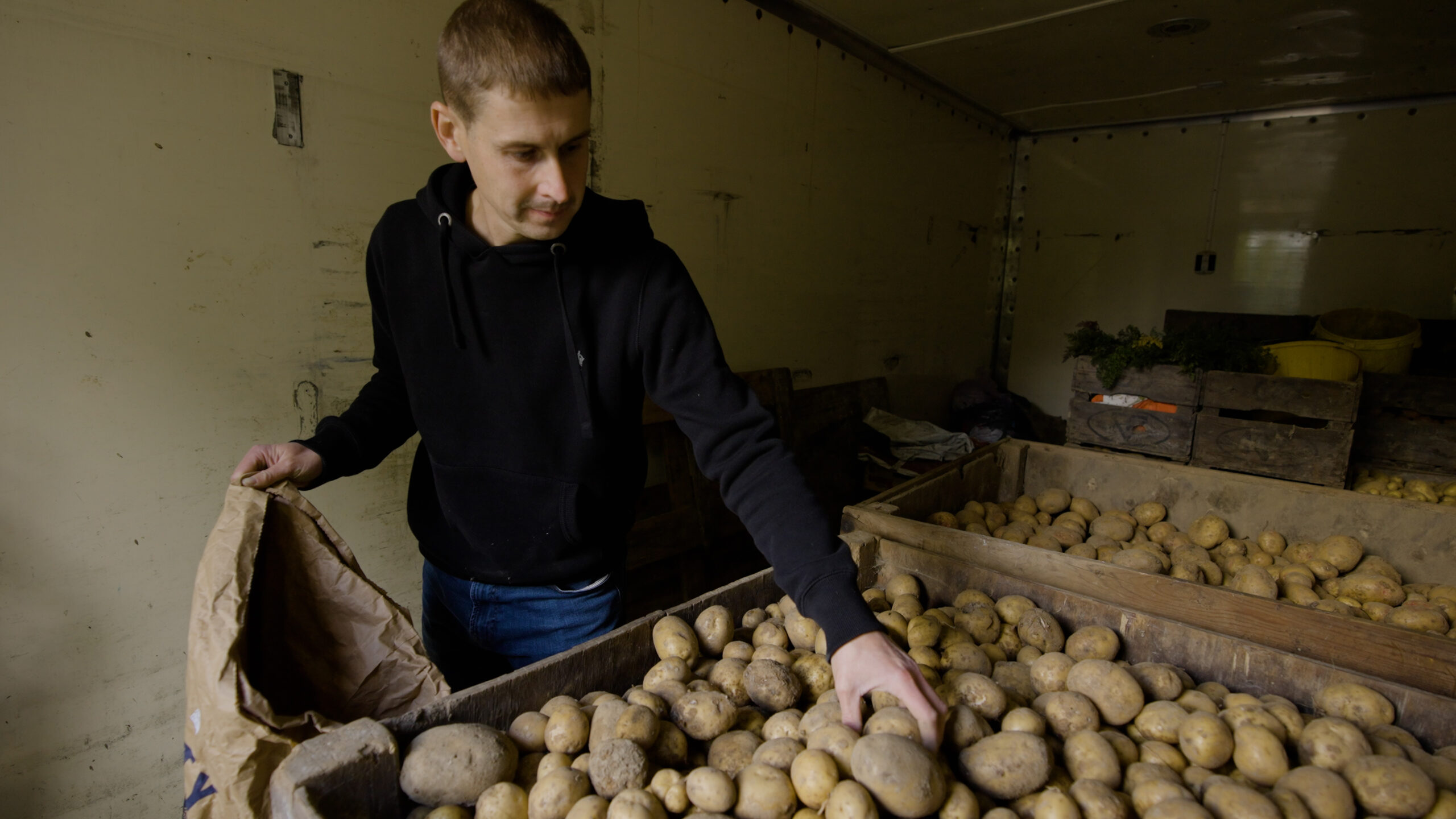
To be compliant with Environmental Health regulations, Cultivate always uses Euro crates for packing and uses recycled packaging as much as possible. They have always recycled all the food waste they generate and have hot bins and many different types of composting facilities on site.
What tech systems do you use?
The team uses Google Workspace and Microsoft Office. They also use Xero and Gemini, which is the AI for Google, and for on-site sales they use Zettle. Their Zettle sales are also recorded in Xero.
Health and Safety and Human Resources are managed using the Atlas platform from Citation.
Producers
How do you select your producers?
Cultivate chooses producers who are farming agroecologically and moving towards Organic conversion. They are also part of the Welsh Veg In Schools project, for which all growers need to be in conversion to Organic.
Are you currently looking for new producers?
Currently there are some new projects on the horizon for the team. Cultivate facilitates relationships between growers and farmers and organisations looking for local food such as Pantri Swswen and Welsh Veg In Schools. They have been working with Our Food 1200 and a report has been created investigating supplying to Birmingham.
Additionally there are plans to link up with other food hubs to create “food loops” that cover a much greater geographical area than one hub can cover, mainly because of large distances and the cost of fuel. There are plans for a food hub and food loop in South Powys and a food loop in North Powys. Lantra have been contracted to work on developing the hubs and loops.
Interested growers can contact Cultivate.
Why do producers want to sell through you?
“We’ve always been able to take their produce and sell it. We’re quite flexible and understand the situation in North Powys. There’s an understanding that we’re all surviving not thriving, so we all stick together, and we diversify where needed, to get us closer to where we all want to be.”
Richard Edwards, Executive Director of Cultivate
What services do Cultivate offer?
Cultivate is currently offering catering, B2B fruit & veg sales to a local preserves maker, and are also selling their own pressed apple juice.
In September 2027 apples will be supplied to North Wales as part of the Welsh Veg in Schools project.
Governance
Team members
Cultivate has 35 volunteers, and all of those do about 1 day per week, some do more. They help in a range of things, from catering in the kitchen through to growing in the garden.
The 13 paid staff have a range of hours, from 4 hours per week on one small project up to full time members of staff. The roles vary from management, project officers, a part time admin person and a part time finance person. Not all of them work on the food hub but a lot of them do because of projects overlapping.
The team at Bwyd Powys Food are also based at the Cultivate site and are employed by Cultivate. They have a co-ordinator for North Powys and a co-ordinator for South Powys.
The Bwyd Powys Food strategy is determined by its own steering group which includes Cultivate, Powys County Council, Neath Port Talbot group of colleges, Powys Teaching Health Board, LANTRA, Bannau Brycheiniog National Park Authority, Social Farms & Gardens and Black Mountains College.
What is your governance model?
Cultivate uses a hybrid governance model, with day to day management carried out by the three members of the Senior Management Team and the board structured as a co-operative.
There are regular staff meetings with employees where there’s an opportunity to talk strategically. Ad hoc information is shared to the team verbally and via reports.
Board meetings take place once a month where strategic decisions are made with their board members. Up to nine directors are from the membership and two positions are reserved for individuals with specific expertise. The board members represent different sections of the membership including workers, growers and producers.
Business Overview
What proportion of your funding comes from outside sources?
Between 16 – 18% is generated through contracts and sales; with the rest coming from grant funding. In 2025 Cultivate had contracts with Wales & West, the Town Council, Middlesex University, the Procurement For Good project, Tir Coed and Montgomeryshire Wildlife Trust.
Organisations hire the site out and the Welsh branch of Social Farms & Gardens have their head office at Cultivate’s Pen Dinas site.
The catering department brings in turnover with catering contracts and Cultivate has 60 allotments on site, which community members pay a small fee for.
What margin do you add on to your products?
Cultivate adds about 33% retail and products sold through the food loop will potentially have a 15% margin.
Are you connected with any other organisations?
Cultivate are a member of Better Food Traders and are currently taking part in their food hubs mentoring programme, where Cultivate are being mentored by Tamar Grow Local.
“Working with other networks helps expand our minds to new opportunities for social enterprises and new ideas. We’ve heard of the Good Food Loop in Cornwall through our network. As host to Bwyd Powys Food, we are part of the Sustainable Food Places Partnership led in Wales by Food Sense Wales.”
Richard Edwards, Executive Director of Cultivate
Impact
How has the hub impacted your local area?
“The big change is probably a more involved, more informed community. I think the community is much more well informed than they would have been [without Cultivate existing]. In Sustainable Food Places we talk about creating “active food citizens”. We’ve got 60 allotments on site and that’s an opportunity for people to grow their own food and then learn how to cook with it as well, which is something we’ve done for 11 years. Even though it doesn’t feel like it to us sometimes, we have definitely got more producers than we would have had otherwise.”
Richard Edwards, Executive Director of Cultivate
How are you measuring your impact?
Funded projects require evaluation so they make sure they have all the relevant information stored and ready, and evaluations and impact reports are created for all projects. This means they collect very useful data such as how many volunteers they have and how many hours they have done over a period of time.
Richard explained that data collection is always evolving, for example, they are currently working on an Equality, Diversity & Inclusion project and haven’t historically collected any data of that kind, but are now.
“In future we will be incorporating more formal measurements using the Principles of Social Value into our monitoring and evaluation.”
Richard Edwards, Executive Director of Cultivate
Looking ahead
What opportunities are you focusing on?
Cultivate plans to re-establish their own veg box scheme again, or work alongside and support another veg box provider. They are researching how to set up two separate Food Loops for North Powys and South Powys, and are considering launching a food hub in South Powys. They want to start supplying into Birmingham as well as the local college.
Cultivate also wants to support the growers at the exciting new Our Farm Trust pilot project in Sarn, through a combination of financial support and equipment such as polytunnels.
Last but by no means least, Cultivate have recently set up machinery rings in North and South Powys to support commercial growers to expand production, a brilliant initiative that supports smaller producers to access prohibitively costly equipment through a booking system.
What challenges do you see in the future?
Richard explained that food hubs in rural areas face more of a challenge to become economically viable than those in large urban areas. He told us how the team has had to be strategic and focus on finding funding opportunities, and how not being in the EU is already affecting them in Wales as they were a net recipient of EU funding. He explained that there is less funding available to Wales, not just in the food system sector, but other projects that need to be supported if we want to see more systemic change. However there are seeds of hope; Richard feels that the Welsh Government’s new Community Food Strategy and Welsh Veg In Schools project are big steps in the right direction, but he did stress that all of these projects are reliant on funding.
You can find out more about the work of Cultivate on their website and keep up to date with the work of the Procurement for Good project, with whom Open Food Network are working with Cultivate and three other food hubs to demonstrate the viability of sustainable public food procurement, on the Procurement for Good website.
